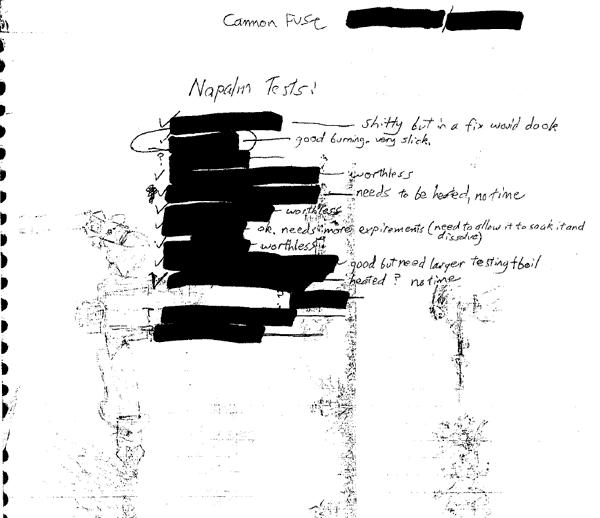
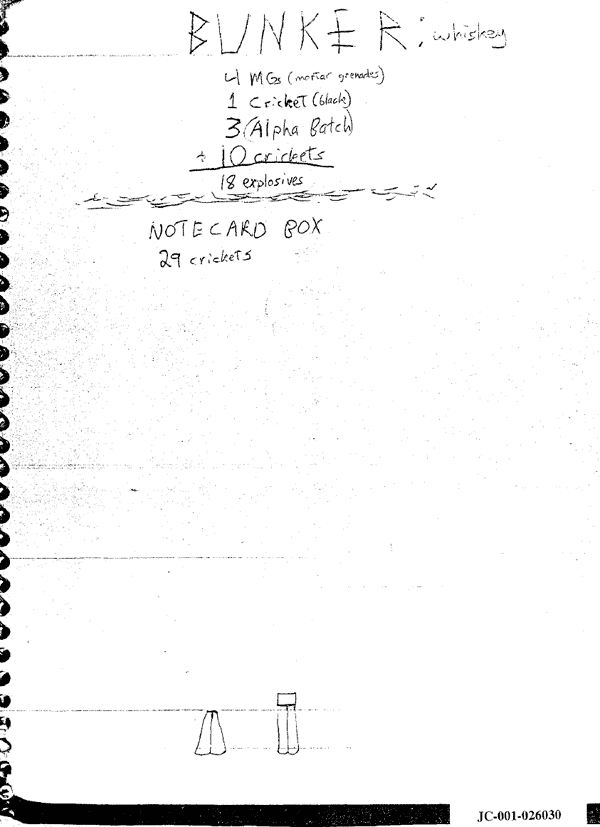
Someone asked me about the background when it comes to Eric naming his weapons so I thought I’d deep dive that a bit.
I’m going to touch on his bombs, briefly on military history, his shotgun, his own nicknames and conclusion.
From the Rolling stone article:
He was naming his bombs: “Mother fucker blew BIG,” he wrote. “Pazzie was a complete success and it blew de fuck outa a little creek bed. Flipping thing was heart-pounding gut-wrenching brain-twitching ground-moving insanely cool! His brothers havent found a target yet though.
“Atlanta, Pholus, Peltro and Pazzie are complete. For those of you who dont know who they are, they are the first 4 true pipe bombs, created entirely from scratch by the rebels (REB and VoDkA). Atlanta and Pholus are each 11/4″ by 6″ pipes. Peltro is 1″ by 6″, and Pazzie is 3/4.” by 5″. Each is packed with powder that we got from fountains, mortar shells and crackering balls. Each also has a +14″ mortar shell-type fuse. Now our only problem is to find the place that will be ‘ground zero.’”
We know for sure Eric named some of his bombs, Alpha, Atlanta, pazzie, peltro and pholus so let’s look into it?
Before we talk about the possible meanings. I want to talk about Eric’s fascination with bombings/bombers since it’ll tie it together.
Infamous bombings
We already know about Eric’s obsession with bombers and bombings. One name that surfaced was:
Timothy McVeigh

McVeigh was responsible for the 1995 Oklahoma City bombing, one of the deadliest acts of domestic terrorism in U.S. history.
On April 19, he parked a rented Ryder truck loaded with explosives outside the Alfred P. Murrah Federal Building.
The blast killed 168 people, including 19 children and injured hundreds more.

A U.S. Army veteran, McVeigh’s actions were driven by deep anti-government beliefs. He claimed the bombing was revenge for federal raids at Waco and Ruby Ridge, events he viewed as proof of government overreach. McVeigh was arrested shortly after the attack, convicted of multiple counts of murder and conspiracy, and executed by lethal injection in 2001.
Which takes us to the Unabomber:
Ted Kaczynski

Another domestic terrorist whose name became synonymous with calculated violence and anti establishment ideology.
Eric even dressed as the Unabomber one Halloween.
Kaczynski, a former mathematics prodigy and Harvard graduate, conducted a nationwide bombing campaign between 1978 and 1995. He targeted universities, airlines, and technology professionals, killing three people and injuring 23 others. His attacks were aimed at what he saw as the corrupting influence of industrial society and modern technology.
Ted Kaczynski died in prison on June 10, 2023, at the age of 81.
He had been serving eight life sentences without the possibility of parole at a federal prison in Colorado (ADX Florence, the “Supermax”), before being transferred in late 2021 to a medical facility in North Carolina due to declining health. Authorities later reported that his death was the result of suicide.
Atlanta
All of this feeds into understanding Eric’s fixation, but the naming of his own bomb, Atlanta, ties to a very specific historical reference.
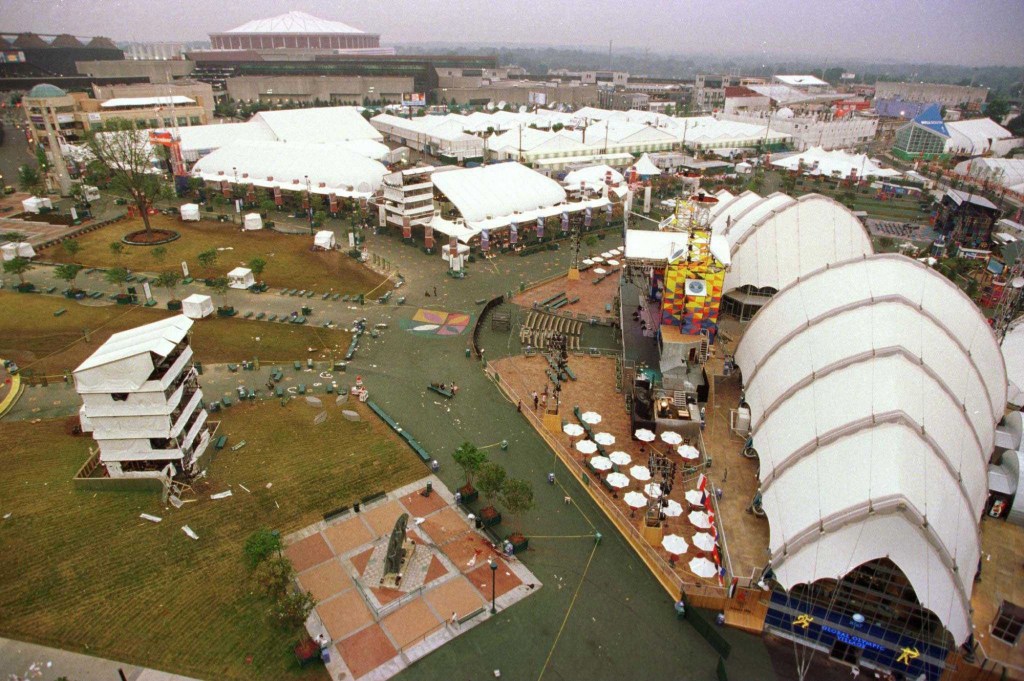
The name referenced the 1996 bombing at Centennial Olympic Park in Atlanta, carried out by:
Eric Robert Rudolph
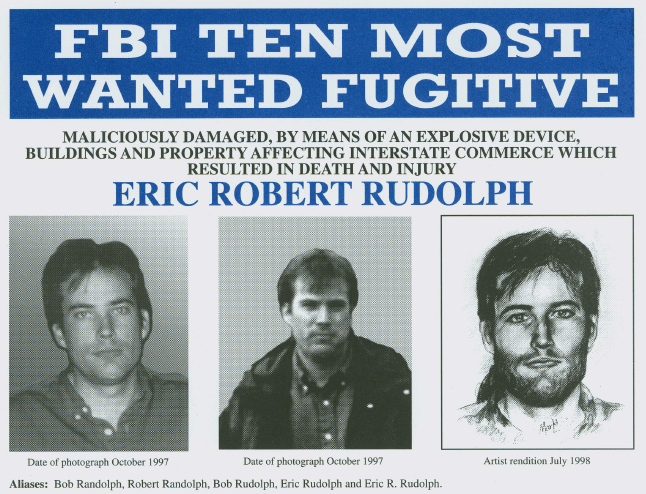
During a late night concert at the Summer Olympics, Rudolph placed a backpack style device under a bench; it detonated, killing one person immediately, injuring more than 100, and causing a second death indirectly.
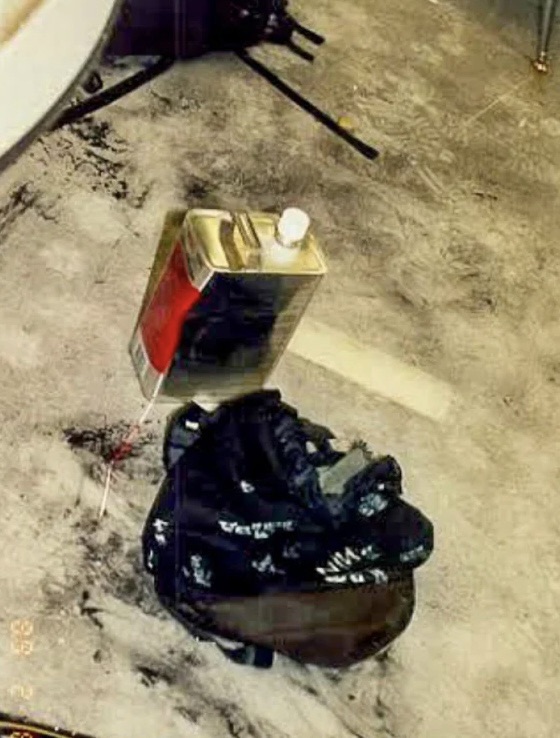
Rudolph’s device was a carefully constructed pipe bomb packed into a military-style ALICE field pack, surrounded by masonry nails and fitted with a steel plate to direct the blast. Other bombs he later set at abortion clinics and bars shared similar characteristics. After fleeing for five years into the Appalachian wilderness, Rudolph was captured in 2003 and later sentenced to multiple life terms without parole.
Sounds familiar? How Rudolph’s Devices Worked
The Centennial Olympic Park bomb, and the other devices Rudolph used, were deceptively simple but deadly:
Containers: Backpacks, Rubbermaid tubs, or military-style ALICE packs held explosives and shrapnel.
Explosives: Dynamite or smokeless powder
Shrapnel: Masonry nails, screws, or steel plates amplified the damage
Detonation: Timers or alarm clocks allowed the bomber to leave the scene safely, with some bombs designed to harm first responders arriving after the initial blast.
By naming his bomb Atlanta, Eric tied his actions to a notorious attack that had already shaken the nation. It wasn’t just homage to Rudolph himself, Eric wanted to be seen as original even if he wasn’t, but a way to anchor his device in historical and symbolic weight, giving it recognition beyond the detonation.
“I always try to be different, but I always end up copying someone else. I try to be a mixture of different things and styles but when I step out of myself I end up looking like others or others THINK I am copying.” 4/12/1998

Excerpt from Eric Veik’s statement, confirming that the name Atlanta was a reference to the Olympic bombing. JC-001-010913
The Phoenix project
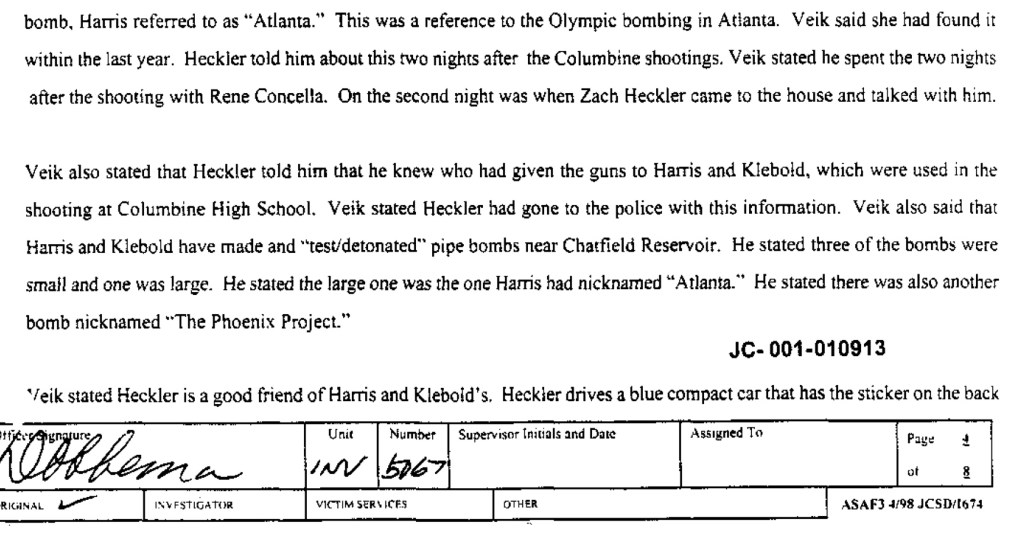
In Jefferson County document JC-001-010913, investigators recorded a statement by Eric Veik describing several pipe bombs made and tested near Chatfield Reservoir. According to the report, one large bomb had been nicknamed “Atlanta”, a reference to the 1996 Olympic bombing that we just covered, and another was referred to as “The Phoenix Project.”
With that context, the question becomes: what was “The Phoenix Project” referring to?
In the NBK document, Harris explicitly references Vietnam alongside WWII, the Oklahoma bombing, and the LA riots. He adopts Vietnam era slurs and speaks in terms of infrastructure sabotage and large scale destabilization.
Let’s take a look at these two excerpts from the NBK.DOC.
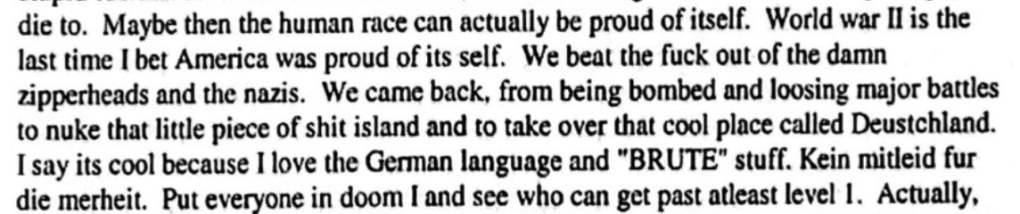
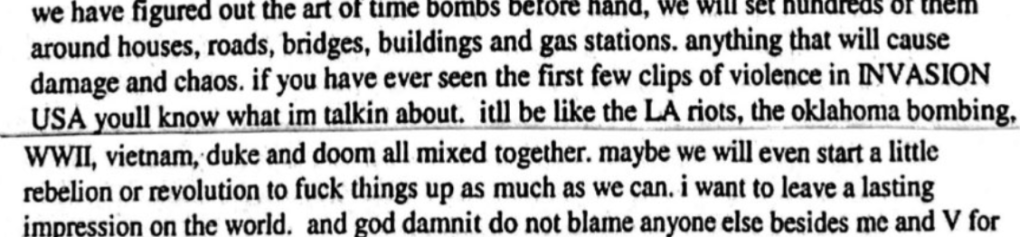
In the document titled NBK, Harris explicitly writes:
“We beat the fuck out of the damn zipperheads and the nazis.”
The term “zipperheads” was a Vietnam War era slur used by U.S. soldiers.
He also writes:
“itll be like the LA riots, the oklahoma bombing, WWII, vietnam, duke and doom all mixed together.”
Vietnam is explicitly named as another historical event because Harris explicitly references Vietnam and adopts Vietnam era combat slang, the name “The Phoenix Project” aligns more plausibly with the CIA’s Phoenix Program.
What is the Phoenix Program?
The Phoenix Program (1967–1972) was a CIA coordinated counterinsurgency initiative during the Vietnam War. Officially designed to “neutralize” the Viet Cong’s civilian infrastructure, the program sought to identify, capture, interrogate, or eliminate individuals suspected of supporting the insurgency.
Operating through a combination of South Vietnamese forces and U.S. intelligence personnel, the program relied heavily on informant networks, blacklists, targeted raids, and intelligence databases. By its conclusion, tens of thousands of individuals had been killed, captured, or defected under its operations, though the exact numbers remain debated. The program became highly controversial due to the methods of torture, mistaken identity, and extrajudicial killings.
Pholus
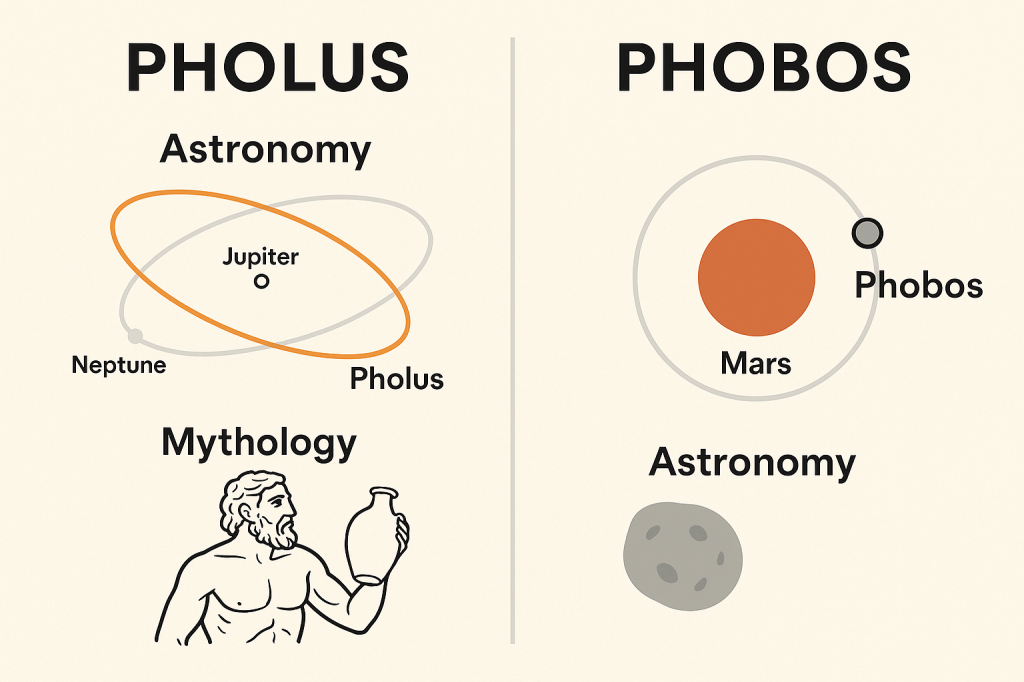
Eric’s fixation on bomb names didn’t stop with historical references.
it also extended into the Greek mythology and the cosmos.
If You Could Live Anywhere, Where Would You Live? phobos
He once mentioned that he wanted to “live on Phobos,” in an online questionnaire which is one of Mars’ moons as well as mentioned in DooM, and he named another device Pholus. These choices weren’t random. They reveal a pattern of astronomical, gaming and mythological symbolism, blending chaos, isolation, and a fascination with destruction on a cosmic scale.
Astronomy and symbolism

Pholus is a minor planet, classified as a centaur, discovered in 1992. Centaurs in astronomy are objects that orbit between Jupiter and Neptune, and their trajectories are highly unstable. They are often deflected by the gravitational pull of larger planets, resulting in unpredictable, sometimes catastrophic orbital changes.
Symbolically, Pholus represents instability and chaos, the idea that a small nudge can trigger dramatic, uncontrollable consequences.
Mythological roots
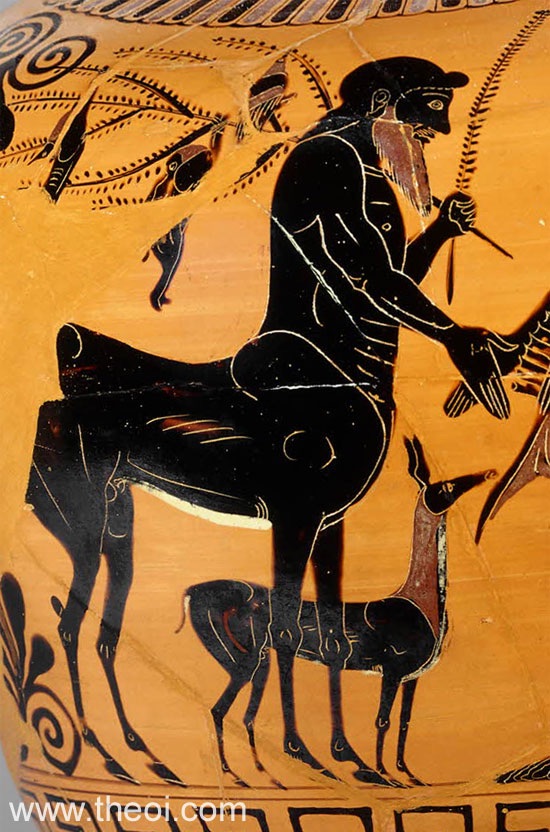
In Greek mythology, Pholus was a centaur who inadvertently triggered a deadly battle by opening a jar of sacred wine. One small action led to chaos and carnage, killing centaurs and spreading violence.
The parallels to explosive devices are obvious: a single act, whether opening a jar or lighting a fuse, can set off chain reactions with devastating consequences. Naming a bomb Pholus creates a literary and symbolic connection between human action and uncontrollable destruction, reinforcing the theme of chaos unleashed by one deliberate gesture.
Phobos: Mars’ moon and personal obsession with Doom
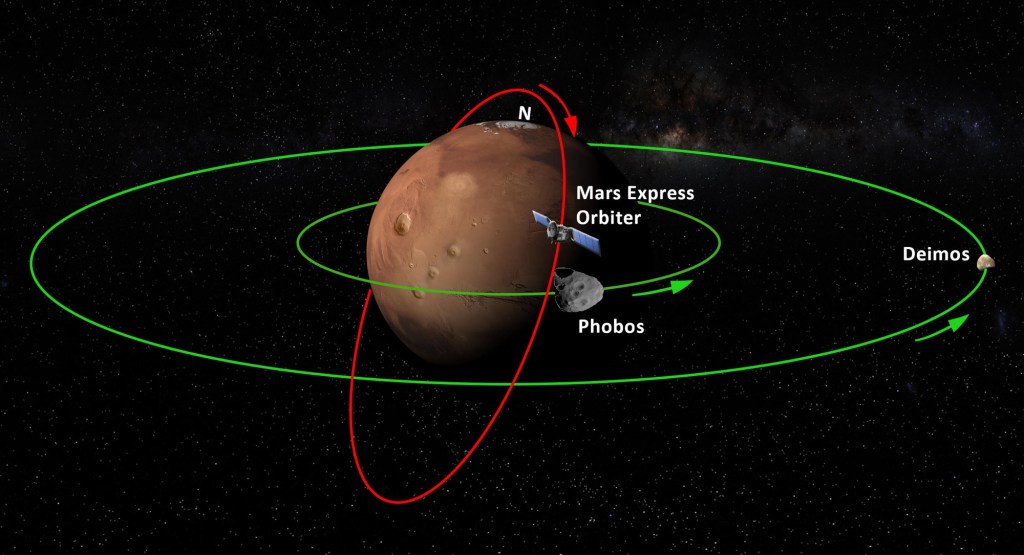
Phobos, one of Mars’ moons, is irregularly shaped and covered in craters. It orbits Mars extremely quickly, about every 7.5 hours, and is slowly spiraling inward toward the planet, destined to either crash into Mars or break apart in the distant future. Its unstable orbit mirrors the chaos represented by Pholus.
Phobos in DOOM
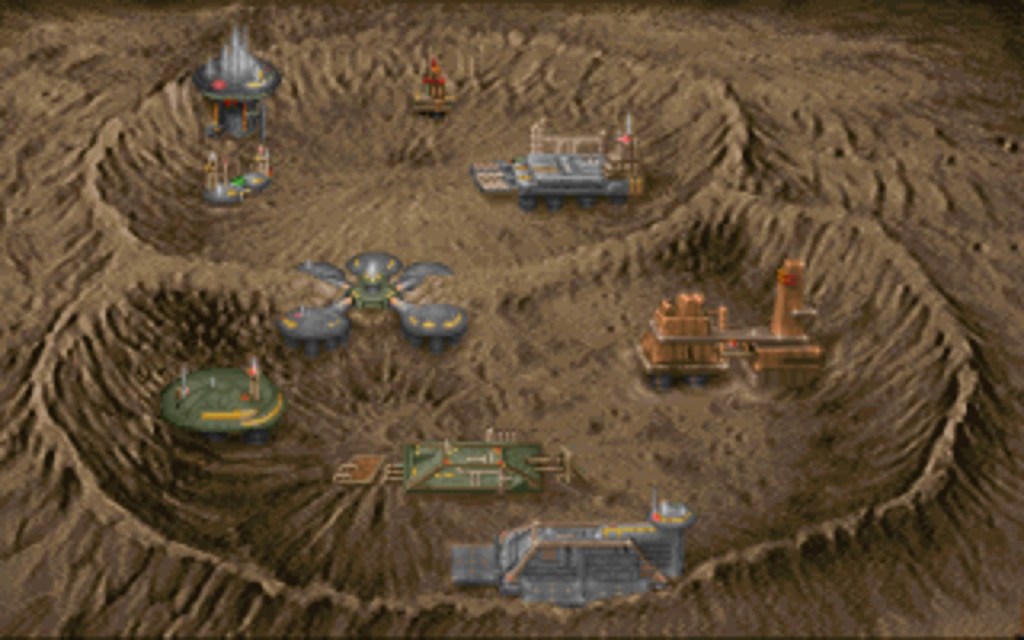
In Doom (1993), Phobos is more than a backdrop. It is the player’s first step into a world of isolation and chaos. The Union Aerospace Corporation (UAC) maintains a military and research base on the moon, using it as a site for teleportation experiments that quickly spiral out of control. The base, meant to harness advanced technology, becomes the entry point for a demonic invasion, transforming Phobos from a remote outpost into a literal hell on a moon.
Phobos itself is a small, irregularly shaped moon orbiting Mars at a rapid pace. In reality, it is slowly spiraling toward the planet, destined to either crash or break apart. The player navigates corridors and laboratories where the structures are intact, but the world is crumbling, a tangible representation of collapse waiting just beneath the surface.
Eric expressed a desire to “live on Phobos,” and this fascination resonates on multiple levels. The moon represents extreme isolation, a place utterly detached from Earth, where danger is omnipresent and disaster inevitable. Just like the UAC base overrun by demons, Phobos embodies instability and the collision of human ambition with forces beyond control.
The horrors unleashed there, combined with its remote and doomed nature, create a narrative mirror to Eric’s own ideas about isolation, instability, and self‑imposed detachment from the world. To inhabit Phobos is to inhabit the edge, teetering on a precipice, aware of destruction yet drawn to it, a sentiment reflected both in the game and in Eric’s personal obsessions.
Pholus and Phobos, the latter the demon‑infested moon of Doom (1993), reflect a mind fascinated by science, myth, and personal fantasy. By naming his bomb Pholus, Eric paralleled Phobos, blending cosmic danger, mythology, and his own destructive impulses into a vision of isolation and collapse.
Peltro

The term Peltro is the Italian word for pewter, a gray metal alloy made primarily from tin and mixed with lead or other metals. Pewter is soft, inexpensive, and tarnishes easily, a material once common in household items before being replaced by more durable metals. It’s not associated with strength or brilliance, which makes the choice of Peltro as a bomb name a curious one.
If Eric used Peltro intentionally, the name’s subdued tone fits with much of the undercurrent of his writing at the time marked by some hopelessness.
Unlike names tied to power or violence, Peltro conveys dullness and deterioration, which could be echoing his growing sense of fatigue and detachment. It reflects less rebellion than resignation, consistent with his loss of direction.
At the same time, it’s also possible that Peltro had no symbolic meaning at all. Eric often gravitated toward words that sounded unusual or foreign, names that stood out or carried an aesthetic edge. He had already used Pazzie, another Italian word, for one of his other bombs. Peltro may have appealed simply because it looked distinctive and “cool,” foreign enough to feel coded or mysterious, yet simple to remember.
Pazzie
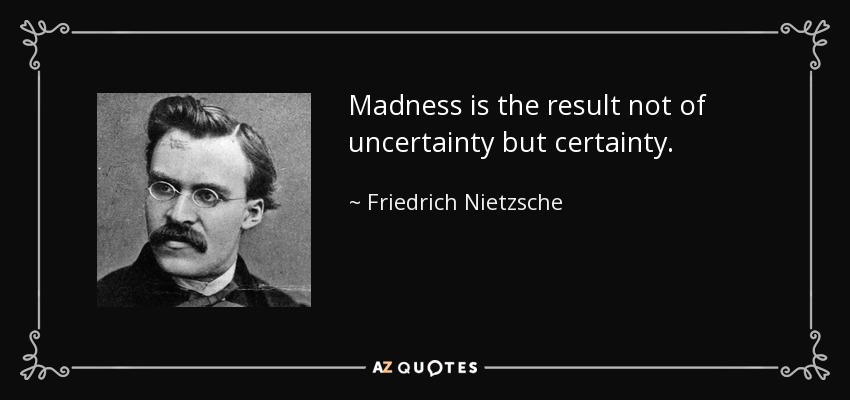
Nietzsche sometimes uses “madness” metaphorically, describing the state of someone so consumed by their dogmatic beliefs that they lose touch with reality.
I have spoken in another WordPress about how I don’t think Eric fully understood their beliefs or writings.
“Eric bragged how … he and ‘VoDkA’ managed to sneak out … and set off a pipe bomb they had named ‘Pazzie’ (…) Italian for madness.” – Rocky Mountain
The word accurately reflects his growing interest in explosives and his(and in this case Dylan’s) pattern of giving them distinctive or foreign names.
Unlike some of his other references, Pazzie had a clear and direct meaning. It aligned with the language he often used in his notes and online posts, where he described anger, frustration, and a general sense of inner madness or turmoil. The act of naming the bomb suggests how deliberate he was in his experimentation, documenting, labeling, and treating each test as part of a larger personal project.
The use of an Italian word may also have been stylistic. Eric occasionally selected non-English terms that he thought sounded unique or carried extra impact. In this case, Pazzie simply conveyed “madness,” a concept he acknowledged when explaining the choice himself or he could have referenced subtly one of his favourite philosophers.
Why did he name his bombs?

Eric Harris’s decision to name his bombs reflects a deeply militaristic mindset. Fascinated with the military from a young age, expressing a desire to become a Marine and coming from a family with a history of service.
“and hey goddamnit I would have been a fucking great marine, It would have given me a reason to do good. and I would never drink and drive, either.”
Harris adopted the language and structure of warfare in his planning. In the military, weapons, operations, and missions are assigned code names to provide clarity and operational efficiency. By naming his explosives, Harris mirrored this logic, framing his attacks as deliberate, strategic operations rather than random acts of violence. The names reveal how he internalized military practices and envisioned his actions through the lens of combat and tactical planning.
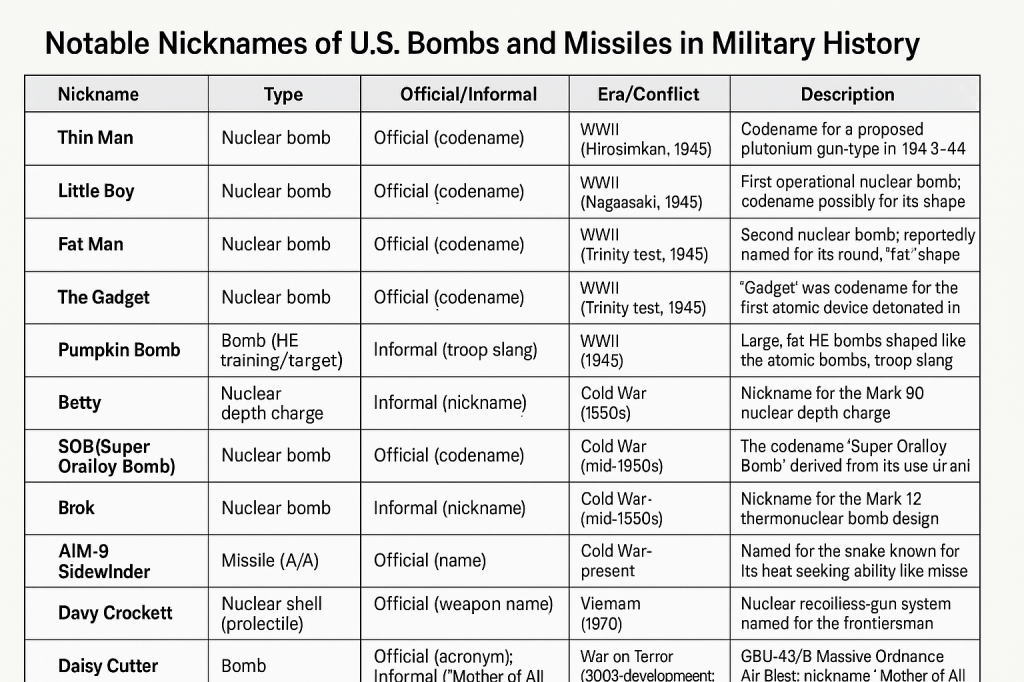
The American military has occasionally used nicknames for bombs to simplify communication, maintain secrecy, or distinguish unusual or high-profile weapons. Most bombs are officially designated by model numbers or alphanumeric codes, but a few received official code names, such as Little Boy and Fat Man (the WWII atomic bombs). Troops sometimes created informal nicknames for training or large conventional bombs, like Pumpkin Bombs or Daisy Cutter, often based on the bomb’s shape, size, or effect.
DOOM
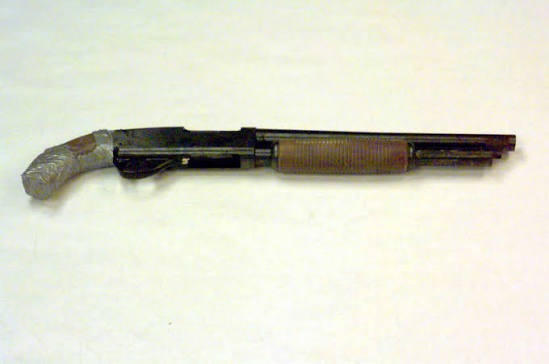
Eric Harris named his shotgun Arlene Sanders after the character from the Doom novels, a U.S. Marine in Fox Company and close ally of the protagonist, Flynn Taggart. Arlene is portrayed as intelligent, capable, and combat-read, the first woman admitted to her unit and someone who earns respect through skill and determination.
“I dubbed my shotgun “Arlene” after Arlene Sanders from the DOOM books. She always did love the shotgun.” – 12/03/98
By giving his weapon her name, Harris fused his fascination with militarized fantasy with a deeply personal attachment. The basement tapes show him holding and almost kissing Arlene, and at the rampart range he handles it with a level of intimacy that suggests the shotgun had become his closest partner. Arlene’s role as both a soldier and trusted companion mirrors Harris’s own militarized identity and his desire for control, while also tapping into his personal longing for a girlfriend and connection:
in naming the shotgun after her, he projected onto it an idealized female presence. Strong, loyal, and intertwined with his fantasies.
The weapon and naming it became both a tool of war and an extension of his imagined perfect partner, combining military admiration and personal desire in one object.
Reb, war, indigo, reverend
Eric Harris’s habit of naming his weapons was mirrored in the nicknames he gave himself. He called himself Reb (likely for “rebel” and his school mascot), War (after one of the Four Horsemen), Indigo (from Doom OR hinting at the Manson family, since Charles named his members by colours and we know Dylan liked Charles Manson), and Reverend (possible religious jab), reflecting his interest in military imagery, violence, and video game fantasy. Like his weapons, these names framed him as a participant in a militarized, strategic world, turning both himself and his arsenal into roles.
Conclusion
Eric Harris consistently named his bombs, his shotgun Arlene Sanders, and even himself, creating a personal system of militarized fantasy and identity. From explosives to weapons to aliases like War, Indigo, and Reverend, each name framed him and his arsenal as participants in a self-staged theater of violence. This pattern shows not only how deeply he internalized military culture, but also how disconnected he was from the real-world consequences of his actions, naming and personifying everything made the planning process feel like a game or simulation, turning violence into something that seemed organized, controlled, and almost like somewhat of an abstract idea.
Overall, it shows a significant detachment from Eric.
 Echoes in the Columbine Archive
Leave a comment