I’ve compiled questions regarding Eric and Dylan as well as various columbine related topics here. It’ll be updated slowly as I get more questions.
there is this video on youtube, i’m sure you have seen it, patti nielson’s call from the library. someone did a transcript of dylan’s and eric’s chanting. it’s barely audible, very muffled but still someone managed to make out full sentences out of it. the thing is that her voice is really loud. well, she is right in front of the phone, but how did they not hear her? i know that the alarms went off and the sounds of weapons are pretty loud, but i’m sure that they must have heard her. if so, why did they not kill her? correct me if i’m wrong, she was already hurt by the pieces of glass from one of the doors. so there’s no way that they wanted to spare her or something. she was on the call with police, so it would be reasonable by their logic to wound / kill her.
There’s conflicting opinions on the partial released 911 transcripts, what is actually Eric and Dylan as well as what’s is different call handlers. The lines are muddy in those centres. I recommend giving it a look online, I haven’t cross examined calls or transcript enough to make up my own opinion as of today.
About Patti nielson. Yeah, i know exactly the video you’re talking about. I’m going to focus mainly on Patti’s experience when talking about this.
About her getting hurt, she talked about in this interview with the Denver post:
“Nielson and Anderson walked quickly toward the doors “and just as we got to the second set of doors, (the gunman) turned around and looked straight at us. He did not have a mask over his face, but he was wearing some kind of black hat. I thought he was small, but I found out later he was pretty tall. But he was thin and kind of lean,” Nielson said. “He smiled at me and pointed the gun.” It was a TECDC9 semiautomatic handgun.
He fired and Nielson twisted to see a large hole in the glass door. (…) Nielson felt her back burning. “I didn’t know what it was, maybe the glass from the door. (…)
A bullet grazed Nielson – there are scars streaked across her back (…)’’
so yes she did get hurt.
As for why they didn’t hear or go after Patti. Several factors. The fire alarms were blaring non-stop, gunfire was echoing through the library and halls, and the acoustics were chaotic. Survivors have mentioned that everything was disorienting: you couldn’t tell where sounds were coming from or how close they were. I highly doubt they knew anyone was on the phone.
She stated in the same interview:
“Fire alarms were blasting. Strobe lights that went on in the library gave it an eerie disco appearance, and smoke wafted in from the hall. Nielson slid under the backside of the checkout desk and continued talking to the woman dispatcher, who told her police, paramedics and firemen were en route.
“I could hear shots, and I could hear bombs,” she says now. “I felt like we were going to die.”
(…) As it was, the cafeteria was 6 inches deep in water from the fire sprinklers, and the alarms continued to blare. “It was so noisy,” Nielson said.”
From her 11K statement:
She crawled up as far under the librarian’s desk as she could. She was sitting under the counter on her rear end with her legs crouched up. Patti Nielson then heard one of the suspects state, “Wait, there’s one more thing.” One of the suspects then picked up a chair located behind the main counter and threw it down on top of the desk. Patti Nielson stated the chair struck the desk directly above where she was concealed. At this point she was uncertain as to whether or not the suspects knew she was present. Patti Nielson related after the chair had been thrown on top of the desk, she then heard one of the suspects state, “Let’s get down to the commons.”
From the interview in 1999:
“Finally, Nielson heard one of the youths say: “Let’s get down to the commons.”
But the other replied: “I have one more thing to do.”
One of the pair walked over to where Nielson was hiding. “He stopped in front of me, and I’m thinking I’m dead. His black combat boots, with the pants tucked in, were right by my head. I still don’t know if he knew I was there. It was pretty open from that side. But I had no place to run or hide.”
The gunman grabbed a chair and smashed it atop the desk.
At that point, about 10 minutes after they had entered the library, the shots stopped and Klebold and Harris left the room.
Nielson didn’t dare move.”
Even though Patti wasn’t sure whether they saw her, reports show that Eric and Dylan were extremely close to her position. Dylan as we know even spoke to Evan Todd, who was hiding under the same counter, which makes it likely that he saw her too especially since the chair landed right above her spot. That seemed very intentional to unsettle her.
It’s difficult to know why they didn’t shoot her. They were close enough to, and it wouldn’t have taken much. But they also spared other students, sometimes walking past people without engaging at all. Their actions that day weren’t consistent at all. They could have killed everyone in that room if they’d wanted to by gun, yet they didn’t. Maybe by that point, the adrenaline was wearing off and the reality of what they’d done was setting in. We don’t know and can only theorise about it.
After Eric and Dylan left, when Dylan had slammed that chair over the table where she was hiding, she changed hiding spot.
“Inside the library area are several smaller rooms. Nielson crawled around corners and spotted a cupboard under a kitchen sink. She sat on a paint tray, twisted her body into a fetal position and shut the cupboard door as much as she could. “There were no handles on the inside, so I couldn’t shut it all the way. There was just a crack of light.” “
So if we even speculate that they went looking for her once they returned, she wouldn’t have been there. I don’t believe they did look for her afterwards since soon after returning to the library, they committed suicide.
Whatever the reason she wasn’t killed, Patti and Evan were incredibly lucky that encounter happened near the end, not at the height of the chaos in my opinion. I do think their fate could have looked different if they had ran into them when they first arrived at the library the very first time.
Also it’s not a stupid question at all. It’s actually one of those details people sometimes overlook, but it shows how surreal and confusing the situation really was. if you’re doing research, the 11k reports and survivor testimonies are the most reliable sources to cross-reference moments like this.
do you have a post specifically talking about the preferred cigarette brands/flavors of both e&d? might sound kinda silly but i want to try them all
I don’t, but I don’t mind talking about it.
Sarah slater: “They all know each other, and everyone talks to each other because they have nothing better to do.” You’d be as likely to see a jock or a prep in the Pit as you would a classic burnout, sitting around the green picnic table, chatting like old friends and playing Hacky Sack. Eric smoked Camel Reds. Dylan’s brand was Marlboro Menthols. Sometimes they smoked cigars.”
In radioactive clothing when they pull out their cigarettes, it looks more like Eric is smoking Camel Filters pack and not a Kamel Red pack.
Swisher cigars was found in Dylan’s car.
Eric did like cigars too.
Say, hypothetically, that Eric and Dylan survived the attacks and were arrested or just survived in general. Do you think they’d enjoy the infamy and attention they’d get like they do now, or do you believe that they’d realize the gravity and reality and feel some level of remorse?
Hypothetically, if Eric and Dylan had survived their attacks, it’s possible they might have initially been drawn to the infamy and attention their actions generated, but that also depends on how they felt once it was done which can be debated either way.
However, take Kip Kinkel. He later expressed profound remorse and guilt for his actions. He acknowledged the full gravity of what he had done and the devastation it caused.
By analogy, it seems likely that Eric and Dylan, confronted with the long-term consequences of their crimes, prison, societal revulsion, and the suffering of the families they harmed, including their own, would eventually face the reality of their actions and feel deep remorse. Who knows if that recognition of harm would come right away, some years later, or only decades afterward but over time, any initial thrill or sense of notoriety would likely give way to guilt, shame, and the weight of what they had done, especially with the right treatment and help in prison too. That’s of course.. my opinion.
Do you think Eric and Dylan could’ve “grown out” of how they were during the time of NBK if they’d gotten the right help or circumstances?
Yes.
Both of them clearly needed psychological help, but Dylan especially needed serious mental health treatment. Even setting NBK aside, he was already spiraling, lost in depression, self-hatred, and a deep loneliness he couldn’t see past. He needed therapy, real emotional support, and someone to help him understand that what he was feeling wasn’t permanent.
I also think both of them needed to get out of school. That environment was suffocating, small, judgmental, and intense in all the worst ways. When you’re stuck in that kind of world, it’s easy to believe that how you’re seen there is who you’ll always be. But life is so much bigger than high school. If they’d had the chance to leave Littleton, to see the world, to meet people beyond that narrow social circle, things could have changed. There are like-minded people out there, friends and even potential partners, who could have helped them feel connected and understood.
Separating them would have mattered a lot too. Together, they created an echo chamber that kept their anger alive. They validated each other’s bitterness and turned it into something larger than themselves. Apart, that energy probably would have fizzled out instead of intensifying. They might have been influenced by new people and new experiences instead of just reinforcing each other’s worst thoughts.
And I think Eric was deeply insecure too. He projected confidence and control, but underneath it he hated himself. He wanted to feel powerful because he didn’t feel worthy on his own. If he’d found something he could genuinely excel at, something that gave him a sense of achievement and purpose, that could have shifted things. Building a bigger genuine network, might have grounded him. A sense of success, even in small ways, could have helped him grow out of that bitterness and see himself differently.
With age, distance, and healthier surroundings, I think both of them could have changed. The problems that felt unbearable at seventeen might have looked entirely different at twenty five or even in their thirties. By then, with some perspective and a life that extended high school, they might have realized that high school wasn’t the whole world. It was just a moment in time. With the right help and a chance to grow, they could have seen that their lives still had space for something better.
Other adults I’m sure can relate to that a lot of the negative feelings we feel in our teenage years aren’t permanent, as we grow as people and build our life.
Hi! Sorry if this has been answered already but do we know anything about Erics and Dylans pets post nbk?
No not really, if we’re talking about the pets they had when NBK happened then… Rocky, Dylan’s cat that he picked out himself, was already sickly and senior by the time of NBK. A few days after the shooting it took a turn for the worse so they took him to the vet. Which was described by Sue. We don’t know what happened after but I assume, they might have needed to put him down.Lucy was alive and I’m assuming she eventually died of old age.Eric’s dog Sparky had been sickly and suffering from seizures leading up to the shooting. He was alive after but I doubt for long given health and his age.
How do you believe the plans for NBK/columbine actually started? I don’t believe it’s ever been confirmed. I feel it probably started with a remark, maybe a joke, about killing those they disliked that the other agreed with and turned into an actual plan.
In my opinion most evidence suggests it didn’t start as a fully formed idea. It probably evolved over time, almost organically. Early on, it might’ve been just what you said… a remark or a dark joke about wanting revenge, maybe something said in frustration about people they hated or felt alienated by.
From there, it’s easy to imagine how it could have snowballed. Maybe Dylan made one of those comments, and Eric, who already had a more externalized sense of anger and control,saw potential in it.
Once the concept took hold, the two of them probably fed off each other. What started as a joke or venting session could’ve become a kind of shared fantasy and over time, the fantasy turned into logistics, weapons, and planning. That slow escalation fits with how these kinds of acts usually develop. They start with grievance and imagination, then move toward intention and preparation as each person reinforces the other mutually. I believe it became more of a solid plan after the van incident in January 1998, since that incident almost solidified their beliefs that they didn’t belong.
So I’d agree with you, it probably did start with something offhand, something not meant to be serious at first. Maybe even escapism. But once both of them found meaning in it, especially as a way to assert control or escape their own pain, it evolved into what became Columbine/NBK.
Who I believe bought it up first is a whole different discussion.
Do you believe there could be fragments of undiscovered internet activity from E&D deep within cyberspace. I saw an entire video about how Jeffrey dahmer ALLEGEDLY had some Usenet postings and it made me wonder how many other killers of that era may have undiscovered internet activity (even though they do have known activity, but Im thinking if there’s stuff never discovered publicly or even found by police thus undeleted)
Very interesting! I mean, it’s not totally out of the question that some old bits of Eric and Dylan’s online stuff could still be floating around somewhere. Back then, the internet was this messy mix of personal sites, local servers, and random forums, a lot of stuff wasn’t tracked or centralized like it is now. It’s easy to imagine some forgotten backup or old hard drive with a few traces nobody has ever come across.
That said, most of that early web content is long gone. ISPs wiped inactive accounts all the time, GeoCities and AOL nuked their servers, and hardly anyone was archiving things in the late ’90s like today. Even the police back then mostly printed specific pages instead of saving full digital copies of everything they came across. So yeah, while it’s a fascinating thought, realistically most of their online footprint was probably wiped decades ago in my opinion
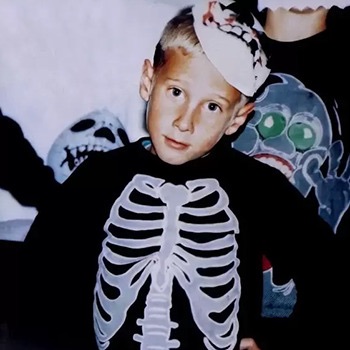
Hiiii!!! I was wondering if there was anything on Eric and Dylan dressing up for Halloween?
There’s not much. I think roughly this is what we do know.
Jennifer Hazen: Eric went to a Halloween party as the Unabomber.
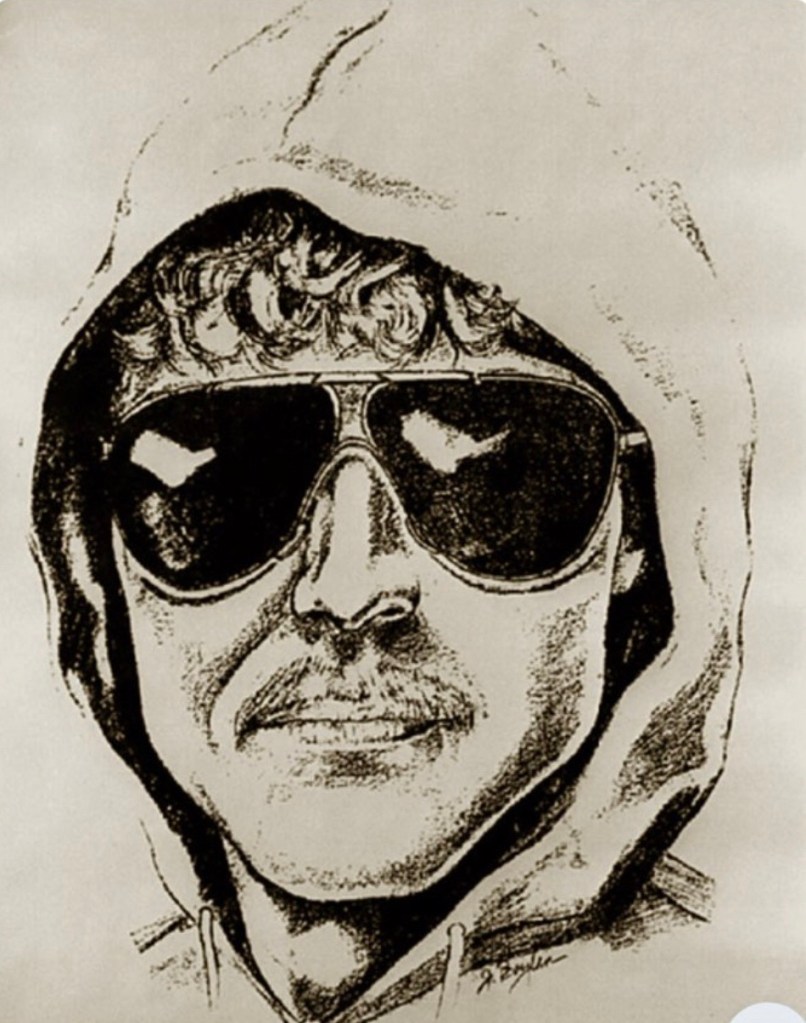
Brooks brown touches on Halloween in his book, no easy answers, but no costumes are mentioned.
“My friend Nick Baumgart had decided to make a haunted house out of his garage for Halloween. Dylan came along, and he had Eric with him. (…) We were freshmen looking for something cool to do.” This is Halloween 1995.
He later goes on to talk about the prank Eric pulled on Tiffany Typher after the broke up with him:
“We decided to use some fake blood leftover from Halloween to give Tiffany a scare.(…)” which suggested the boys possible used some of that at the haunted house.
Brooks then talks about Halloween 1997;
“I think the story that got me the most was the one they told me about Halloween junior year. That night, the two of them went up on the roof with a BB gun and took shots at little kids who were trick-or-treating. (…)” again no costumes mentioned for either of them since that’s what they spent that Halloween doing.

I really like your thoughts. How do you think Eric and Dylan might feel seeing all these people who worship them, girls in love with them, and followers? (Of course, let’s assume there’s life after death)
This is of course fully speculative and we have two scenarios to look into, if they regretted their actions and if they didn’t.
If Eric and Dylan didn’t regret the massacre, seeing people worship them would likely stir a dark, twisted sense of pride. They might feel validated, as if their notoriety proves that they have left an indelible mark on the world, that their actions, horrific as they were, have granted them a kind of immortality. It was the lack of validation both boys felt in life. They also spoke about the possibility of having movies made of them after the fact, so it clearly crossed their minds. Same goes for followers.
The infatuation of girls, the obsessive attention of followers, could feed a thrill, making them feel legendary, given the fact they didn’t have much luck before with girls.
Yet even in the middle of this admiration, there might be a strange, hollow undercurrent. People are drawn not to who they truly were, but to the myth that their violence created, leaving them strangely alienated from the very world that glorifies them. It could be empowering and frustrating at once. A recognition that their image dominates, but also a reminder that no one sees the real people behind it all. The fact that no one truly knows them and they’re not there to correct anyone.
If they did actually regret the massacre, the same adoration would feel like a cruel torment. Every act of worship, every girl in love with them, would be a grotesque mirror reflecting the horror of what they had done. Instead of comfort, they would feel shame amplified, haunted by the fact that others celebrate the very tragedy they now loathe. Their own wasted lives and all the innocent ones they took with them. The admiration would deepen their guilt and despair. They might feel a bitter anger, directed at themselves for creating a legacy that continues to inspire obsession rather than mourning, and a profound alienation, trapped in the consequences of their own actions even beyond death.
Who knows! Anything is possible depending on how they felt at the time of their passing. To sum it up, either they would have enjoyed the attention or not.
do you think Eric and Dylan would be tcc today?
If they had been teenagers in this day and age? No I don’t. Eric seemed fascinated with bombers and bombings. He dressed as the unabomber once at a Halloween party and he also seemed to be fascinated by Timothy mcveigh, wanting to outdo him. I believe the community would annoy him given everyone has their own opinions and beliefs. I can’t see him being very interested. Unless he just wanted to rage bait.
I also can’t see Dylan being very interested since he seemed mostly fascinated by Charles Manson but who knows. His essay was quite informative and in the details in between, he seemed to support him: “The question of whether or not he is insane is a question of opinion; which cannot have a “true” right answer.”
Maybe Dylan would lurk. Maybe they’d both be lurkers, but I don’t think Eric would keep his account for very long.
They both however clearly had some kind of interest in true crime.
aside from new video games/advances in tech, what are some mundane or day-to-day things that you think eric and dylan are missing out on that they would’ve really enjoyed or thrived with?
Let’s start with Eric. He would have loved the bigger Slim Jims, probably the monster stick, or some of the new flavours that have come out. And modern fireworks? He would have been blown away. The craftsmanship and chemistry behind them are far beyond anything you’d expect from the old-school kind.
Even bowling has changed. Modern balls and lane surfaces give more control and hook, scoring systems are faster and more accurate, and training now uses video analysis and tracking. The game has become far more precise and technical.
Then there’s his dream car, the Hummer. With all the updates and advancements, he would have appreciated how far it’s come. And travel! he always wanted to go to Germany. He would have loved how easy travel is today, and how simple it is to connect with like-minded people around the world. That really fits with Eric’s longing for any kind of meaningful connection.
Since we’re not focusing on games and tech, the obvious answer, I’ll just say he would have enjoyed modern tools for building websites and creating graphics. He probably would have loved Twitter (or X), and I bet some of today’s podcasts would have caught his attention. Streaming platforms, 3D movies, IMAX, memes. All of it would have fascinated him. More concerts, easier access to merch, better cameras, Spotify, dating apps. it’s an endless list.
Dylan, on the other hand, would have missed out on new Dr. Pepper flavors, getting tattoos, Quentin Tarantino’s latest movies, and the thrill of ordering new and exciting food straight to the door with DoorDash or Uber Eats. Many of his favorite bands have released new albums too. He and Eric both would have loved the newest computers and games, better cinema experiences, though Dylan probably would have preferred owning DVDs.
Even baseball has changed. The basics are the same, but strategy, equipment, training, and the way fans watch have all evolved since 1999.
Dylan also would have missed how much easier it is today to connect with others, maybe even finding a girlfriend who shared his views. Online communities, social media, and gaming let people meet friends with shared interests no matter where they live. Conversations that once had to happen in person can now happen anytime through text, chat, or video, making it easier for shy or isolated people to form real relationships.
Both Eric and Dylan would have missed how much more accepting and diverse social spaces have become. Interests that once felt niche, gaming, online fandoms, alternative fashion, unconventional hobbies… Now have huge communities where being different is celebrated. Technology makes it easy to find like-minded friends, so feeling out of place in your town or school doesn’t define your social life anymore.
They would have missed out on the fact, it isn’t as taboo asking for help(though progress is still needed) and the fact almost all the time, life does get better.
Beyond all that, they would have missed the everyday moments most people take for granted: checking the weather, trying a new breakfast, commuting while listening to music, doing yard work, scrolling on a phone, sitting in traffic, grocery shopping, folding clothes, cooking, texting, group chats… all the quiet routines that make up ordinary life.
Those small, repetitive moments are the backbone of living and adulthood and they never got to experience them.
This, of course, assumes their hobbies and interests wouldn’t have shifted over the years which I believe it would so my answer depends on what perspective.
Obviously there’s many over all, but if you could permanently silence and correct ONE myth about columbine, what would it be?
If I could permanently silence one myth about Columbine, it would be the oversimplified narrative that Eric was a cold psychopath and Dylan was just a depressed follower. That framing flattens both of them into caricatures and obscures the truth.
Eric wasn’t just a textbook psychopath. He was at times calculating, manipulative, and angry, but also vulnerable and capable of attachment. Dylan wasn’t merely a passive follower or just depressed. He had his own ideas, emotional vision, and impulses that shaped the attack. They were co-dependent collaborators, each amplifying the other’s tendencies, and understanding that dynamic gives a far more accurate picture than the neat labels society has stuck on them.
This myth is dangerous because it distorts responsibility, misrepresents their psychology, and simplifies a complex, tragic reality into a story that’s easier to digest but far less true. It also does nothing in terms of prevention.
Another damaging myth is that bullying wasn’t a significant factor at Columbine. In reality, the school culture was very toxic both from peers and administrators, and bullying was rampant. At the same time, Eric and Dylan also have documented instances of bullying or intimidating others but people do use that in the discussion to try and undermine the fact that school was a mess and to claim Eric and Dylan wasn’t bullied. Two things can be true at once.
i was just wondering, how often did the boys mention natural born killers – i know it’s pretty deeply linked to the attack but since i’m still kinda new to researching about columbine i’m just curious as to how much it was actually referenced during the whole thing. (i’ve been obsessed with that movie for the past few months & it actually introduced me to this case!!)
In my opinion the connection between Natural Born Killers and Columbine is often overstated a bit by the media, but it definitely played a role in their mindset and imagery. they used “NBK” (short for Natural Born Killers) as a kind of code name for the attack, so while it started as a movie reference, it eventually became their own shorthand for what they were planning. it stopped being about the film itself and turned into more of a symbol for what they wanted to do. However we need to keep in mind that Devon said both boys could and would quote the movie from start to finish, which shows how many times they must have watched it together.
it also seems like Dylan was the one who connected with the movie first, and more deeply. He wrote about NBK before Eric ever did, which suggests the film resonated with him on a personal level. Especially its themes of alienation, rebellion, and that kind of doomed connection between two outsiders. Dylan seemed drawn to the emotional and romantic side of it. It reflected a lot of what he wrote about loneliness, frustration, and the desire to escape with someone who truly understood him with the violence laced on top. You can see traces of that in how he talked/dressed as Mickey and even mentioned wanting to “go NBK” with a girl.
Eric, meanwhile, seemed to use it more as a symbol and their plan, rather than something he identified with personally. It wouldn’t surprise me if Dylan introduced the movie itself to Eric as well. That’s not to say Eric didn’t enjoy the movie, he clearly did.
However in a way, the parallels are definitely there. NBK is about two outsiders lashing out against a world they feel alienated from, and Columbine was, in their minds, a kind of ultimate rebellion against a society they felt rejected by.
1. How intelligent do you think Eric and Dylan truly were? What do you believe their level of literacy was? Do you think they frequently used profanity or derogatory language?
2. How do you think those around them.. family, friends, or peers.. viewed their intelligence and literacy? Do you believe the people they spent time with were on a similar intellectual level?
3. Do you think their choice of words reflected their true selves, or was it more of a performance?
- I think both boys were intelligent. I think it was good, not perfect, but that’s expected. We know that they did in certain situations. Eric demonstrated high verbal ability and analytical intelligence. His journal entries, essays, and online writings show that he had a fairly extensive vocabulary and could express himself. That said, his intelligence was often used to rationalise anger and superiority. His writing reveals someone who had read philosophy and military strategy superficially, borrowing ideas to serve his worldview rather than truly understanding them deeply. Eric took an advanced writing class his senior year, it was a class that was seen as pre college English, like a bootcamp. It was described as hard. Dylan’s intelligence was more introspective and emotional. His journals show a good command of language, often poetic or metaphorical, but inconsistent. His literacy was strong, not perfect, but his writing had a stream of consciousness tone… full of self-loathing, longing, and confusion. You could say it was more emotionally than intellectually driven. Dylan was enrolled in CHIPS, a Challenging High Intellectual Potential Students program essentially a gifted track. Both used profanity frequently, especially in their videos and private writings but also around peers or even teachers.
- I think they were viewed positively intelligence wise. Accounts from classmates and teachers indicate that both were seen as smart, though not necessarily “exceptional.” teachers described Eric as “bright” and “capable.” He generally earned A’s and B’s, occasionally a C. His diversion officer, who worked with him after his 1998 arrest for breaking into a van, indeed described Eric as intelligent, polite, and seemingly remorseful. That’s one reason he was allowed to complete the program early and have his record cleared. He came across as mature and with a bright future ahead. Dylan was viewed as intelligent but apathetic the kind of student who could do very well but didn’t always care to. His grades fluctuated more than Eric’s. When motivated, he did excellent work. Some teachers said he seemed “uninterested,” though his close friends and journals suggest he was struggling emotionally rather than academically. Circling back to their language and behaviour briefly… Several witnesses later reported that Eric and Dylan occasionally gave Nazi-style salutes or referenced Hitler, often as a form of provocation. It’s important to note that this didn’t necessarily mean they were true neo-Nazis (there’s no strong evidence of true ideological commitment), but they used the imagery for shock value. To them, it seemed like a way to mock authority and provoke reactions, part of their shared, performative defiance. But to many classmates, it just looked disturbing or offensive. Some peers reportedly rolled their eyes or avoided them because of it. Others just assumed it was “dark humor” or teenage rebellion. I believe some peers viewed them as less intelligent because of it.
- Their choice of words was partly genuine, partly performative. Eric often wrote as if performing for an audience even when that audience existed only in his mind. His style mixed nihilistic bravado with rehearsed rage, suggesting he wanted to be seen as powerful and in control. His writing was a mask of superiority that concealed deep insecurity. Dylan’s writing, in contrast, feels more sincere and unfiltered. His journal reads like a cry for connection. his emotional pain is palpable. Still with anger in between. I think his is less performarive.
Maybe you’ve already answered this question before, but what do you think about girls (and others) who are in love with Eric and Dylan?
I don’t have an opinion on it. I tend to mind my own business as long as everyone’s being safe and taking care of themselves. I know people have their own reasons and experiences that shape what they’re drawn to, so I’m not judging anyone for it. It’s just important to recognise that sometimes these feelings can get really intense, and sadly, there have been cases where people have hurt themselves or others over it.
What people are usually talking about when it comes to being attracted to criminals is something called hybristophilia. The term comes from Greek. Hubris meaning “outrage” and philia meaning “love.” It basically describes being romantically or sexually interested in someone who’s committed a violent crime. It’s not a new thing either. People have been fascinated by dangerous figures for centuries. There was actually a big surge of this kind of attention during the era of serial killers like Ted Bundy, Richard Ramirez, and Charles Manson. They got fan mail, love letters, even marriage proposals. The internet just made it way easier for people with those interests to find each other and form communities, so the fascination with Eric and Dylan is kind of a continuation of that same pattern. It’s a complex topic, part psychology, part social phenomenon and while it’s not new, it’s definitely more visible now because of social media. Again, no judgment. Everyone processes these things differently, and curiosity or interest doesn’t automatically mean anything bad.
As long as you’re keeping yourself as well as others safe and aren’t harassing anyone’s family/friend etc, it’s not my business. My research isn’t really circled around it.
Do you think Columbine was ultimately an act of control, two boys trying to assert meaning in a world that made them feel invisible or an act of surrender to meaninglessness itself? In a way, it feels like both, a desperate rebellion against alienation and, at the same time, a collapse under it. Do you think what happened reflects something uniquely modern, a symptom of growing up in a world where isolation and disconnection are so easy to feed, or is it something more timeless, just another form of the human need to be seen, even if that recognition has to come through destruction?
Mhm.. I think Columbine could be both an act of control and surrender. Almost a paradox that makes it so disturbing. It was control in the sense that the boys wanted to impose their own narrative on a world that they felt had ignored them, to turn their invisibility and hurt into something unforgettable.
But it was also surrender: the moment you decide destruction is the only way to be seen, you’ve already given up on finding meaning through life itself.
Still, I don’t think it’s fully as simple as that. Their reasoning wasn’t linear. it’s what makes Columbine so hard to talk about in any definitive way. It isn’t that simple, and maybe that’s the point. It’s why I keep coming back to it and exploring it so much.
The way people often frame it as just alienation, senseless violence, taking control back, revenge, last option or the hunger to be seen etc… it captures something true, but not the whole truth. Their motivations were messy, contradictory, and constantly shifting as we know.
It’s too easy to frame it as an act of control or surrender. But those ideas might just be ways of circling the same center:
a desperate attempt to assert existence in a world that had become unbearable to them, whether that world was real, imagined, or both.
What makes it feel distinctly modern is the context! The mix of technology, suburban isolation, and performative culture that breeds emptiness disguised as connection. a reflection of a world where recognition has started to matter more than actual meaningful human connection. In that sense, Columbine could be seen as an early reflection of especially, a modern culture that equates visibility (cliques.. popularity… etc) with worth.
But the underlying impulse… the need to be seen, to matter is timeless. That’s what makes it so haunting: the tragedy isn’t just in what they did, but in how recognising human the desire beneath it still is.
Do you think Dylan and Eric were actually racist or did they just take their anger out on everyone?
I don’t think either of the boys were truly racist. Eric admitted he was a hypocrite. He’d throw out slurs but also say some people in those groups were cool, and even called out white people. He had a page with slurs for every race, including white people. I think Eric and Dylan were mostly edgy teenagers and said shocking things for effect in that regard. That’s the impression Brooks gives of their friend group, everyone was like that, but it wasn’t serious.
“Never experience more than them being nazi just to offend people. They liked ruffling peoples feathers, and so did I. I was a die-hard Any Rand fan (IN HIGH SCHOOL NOT ANYMORE_ just so I could argue with people.
Was it something they really believed? Not that I experienced, but I also didn’t think they’d shoot a bunch of people.”
That’s not to say they didn’t do certain things that are classified as racist.
How financially stable do you think Dylan and Eric were, and what do you think their families’ overall social or economic status was?
I would say both Dylan and Eric were financially stable and comfortable, likely falling into the middle to upper middle class range for the time. Dylan’s family, in particular, seemed slightly upper middle class, though by no means spoiled or insanely rich.
As noted in Rocky Mountain,
“Sue’s job was to make sure disabled students had access. She moved on to the same position with the state consortium of community colleges.
Tom, predicting the fallout in the oil-and-gas business, started looking for another career. He started a mortgage-management business. One of the rental properties he and Sue own is in Denver — on Columbine Street.
In 1989, Tom and Sue paid $250,000 for a stunning 3,528-square-foot home tucked between two red rock outcroppings on Cougar Road in Deer Creek Canyon.” – Rocky Mountain
As well as from sues book:
“Tom and I purchased a second rental property downtown and rented the studio outbuilding on our property out. The additional income alleviated our money worries, though we still didn’t know how we’d manage Dylan’s college expenses(…)”
In the guardian:
“made it look huge when in fact, Klebold says, they bought it for a song as a “fixer-upper”. Likewise Dylan’s BMW, which cost his parents $500 and which he and his father remodelled from scratch. They were that kind of family, eating around the table every night, watching old movies together, collaborating on projects. Whenever Byron, the eldest son, came over for dinner, Klebold would send him back to his apartment with a freezer bag full of food.
Tom Klebold, a geophysicist, was diagnosed with rheumatoid arthritis, damaging his job prospects and causing the couple to worry about money. (Sue’s job, coordinating grants to help disabled people learn computer skills, was satisfying but not terribly well paid.)”
These details suggest the family was somewhat well off, owning multiple properties and managing investments, however still being conscious of college expenses after Tom got ill, making them at the very least then.. middle class.
Eric, on the other hand, came from a solidly suburban middle class background. His father, Wayne Harris, had a distinguished military career and later worked at a military flight simulator company, while his mother was involved in school and community activities. As described:
“”Kathy Harris stayed home when Kevin and Eric were young, busying herself with military-wives luncheons, volunteer projects and school functions.
By the time Wayne Harris retired from the Air Force, he’d risen to the rank of major and tackled some prestigious assignments as a test pilot and flight instructor. He earned a Meritorious Service Medal for his work on B-1 bombers.
In 1993, after 20 years of military life, Wayne and Kathy returned to Colorado.
Wayne got a job at Flight Safety Services, an Englewood company that makes military flight simulators. Eric’s friends said his dad worked a lot. Kathy was hired by Everything Goes, an Englewood caterer.
At first, the Harrises rented. Then in May 1996, just as Eric ended his freshman year, they paid $180,000 for a house a few blocks away, the place they finally planned to call home for many years. Two stories, brick, blue-gray trim, it sits on a cul de sac off Pierce Street, straight south of Columbine.”
Idk if anyone has asked abt this, but before the shooting was Eric and Dylan about to graduate? (Like confirmed?) If so what was like their GPA?
Yes. Dylan struggled more with his grades towards the end but not for lack of intelligence. He was often bored and failed to feel motivated. Dylan was also accepted into Arizona State University.
However due to his declining grades, I believe his GPA was around 2.74 with 1210 SAT score.
Eric did well in school and got mostly good grades, a lot of A’s and his GPA was around 3.314. He didn’t apply for college but would have been accepted if he had.
What do you think about people who associate themselves with Eric and Dylan?
People who associate themselves with Eric and Dylan usually connect with the emotional parts of their writing and their experiences. The loneliness, the depression, the anger, the feeling of not belonging. The bullying. The sense of being on the outside looking in. That isn’t the same as supporting what they did. It’s recognising something familiar, feelings that a lot of teenagers or young adults struggle with. For many, that connection is also about understanding themselves, not just the boys. Some people also fall into the “I wish I could’ve helped them or stopped it” mindset, which is more about empathy than anything else.
In my opinion, it only becomes concerning when that association shifts into admiration for the violence or any desire to emulate them. That’s the line for me, relating to them in whatever form is normal, but glorifying the actions is where it becomes unhealthy.
-> See the next page for more questions and answers.
 Echoes in the Columbine Archive
Leave a comment